
The Allure of Casino Games
Casino games have an irresistible appeal that captivates millions around the world. This allure can be traced back to the thrill of uncertainty and the excitement of potential reward. The idea of winning big, often accompanied by dramatic visuals and engaging sound effects, creates an immersive environment that heightens the player’s experience. The psychology behind this appeal is deeply rooted in our innate desire for risk and adventure, which can lead to the exhilaration that accompanies a gambling session. Players often flock to online platforms like 1win where the combination of anticipation and the prospect of a significant win fuels the excitement and keeps them coming back for more.
Moreover, the social dynamics present in casinos amplify this allure. People tend to play games together, sharing in the highs and lows of fortune. This communal experience taps into our social instincts, making the gaming environment even more enjoyable. As players cheer for each other or share their strategies, the atmosphere becomes charged with energy, further enhancing the psychological draw of the games. The shared experience creates bonds among players, fostering camaraderie and making each win feel more meaningful, thus deepening the psychological connection to the games.
Additionally, casinos employ various design elements that contribute to their allure. The bright lights, vibrant colors, and the sounds of coin drops or spinning wheels are meticulously crafted to create excitement and draw players in. This sensory overload is designed to keep players engaged, ensuring they stay longer and continue to participate in the games. The combination of visual and auditory stimuli works in tandem to create a unique environment where players feel compelled to immerse themselves in the experience. By manipulating these elements, casinos can effectively increase the time spent on the gaming floor, thereby enhancing their profitability while keeping the player engaged.
The Role of Randomness and Chance
At the heart of casino games lies the element of randomness, which plays a crucial role in their psychological impact. Players are often drawn to the uncertainty that comes with games of chance, as this unpredictability heightens the thrill of potential winnings. The psychological concept of variable reinforcement, where rewards are given sporadically rather than consistently, creates a sense of anticipation that can be incredibly addictive. This unpredictability engages players’ emotions, often leading them to chase the next win. The thrill of not knowing when the next big win will occur keeps players on the edge of their seats, fueling their desire to play longer.
This relationship with chance can also alter a player’s perception of their own luck. Many gamblers develop a “gambler’s fallacy,” a belief that past outcomes can influence future results, despite the fact that each game is independent. For instance, a player might think that after a series of losses, a win is due. This belief can lead to prolonged gambling sessions and significant financial risks as players chase after perceived winning streaks. The cognitive bias surrounding luck can create a dangerous cycle where players justify continued play, hoping to break even or hit a jackpot.

Furthermore, the psychological impact of randomness extends beyond individual games. It affects how players approach their overall gambling strategy. Many may feel empowered to devise strategies or systems to increase their odds, despite the inherent nature of chance in casino games. This can create an illusion of control, making it psychologically easier for players to rationalize their continued play, even in the face of losses. The belief that one can influence the outcome through strategies, despite the odds being stacked against them, adds another layer to the psychological complexity of gambling behavior.
The Impact of Rewards and Incentives
Rewards and incentives are pivotal in shaping player behavior in casinos. The thrill of winning money is a significant motivator, but casinos employ various bonuses and promotional strategies to enhance this experience. For example, loyalty programs, free spins, and cashback offers encourage players to return and continue gambling, tapping into the psychology of reward-seeking behavior. This strategy not only reinforces positive associations with the gaming experience but also fosters a sense of belonging among frequent players. The more players feel appreciated, the more likely they are to return, creating a cycle of engagement that benefits the casino.
Moreover, the psychological concept of “loss aversion” plays a significant role in how players experience rewards. Players are often more motivated to avoid losses than to achieve gains, making any form of reward an essential tool for engagement. When players receive rewards, even smaller ones, it can mitigate the sting of losses and encourage them to continue playing. This is why casinos often provide small wins frequently, keeping players engaged and invested in their gaming experience. The regular reinforcement of small wins serves to balance the emotional toll of larger losses, maintaining player morale.
Furthermore, the design of rewards can have varying psychological impacts. For example, a player might receive a sudden win from a slot machine, creating a burst of excitement and pleasure. In contrast, a more substantial but sporadic reward can lead to a more prolonged sense of anticipation and engagement. Casinos are keenly aware of these psychological principles and design their reward systems accordingly to maximize player retention and satisfaction. By manipulating the timing and frequency of rewards, casinos can sustain player interest and create a more engaging gaming environment.
The Influence of Environment and Atmosphere
The environment in which casino games are played significantly influences the psychological experience of players. Casinos are designed to create an immersive experience, with elements such as dim lighting, comfortable seating, and a strategic layout to encourage players to stay longer. This carefully curated atmosphere fosters a sense of escapism, allowing players to forget their everyday lives and immerse themselves in the thrill of the games. Such an environment can lead to extended play sessions as the psychological influence of the surroundings enhances the overall gambling experience. The ambiance plays a critical role in making players feel at home, encouraging them to relax and engage more deeply with the games.
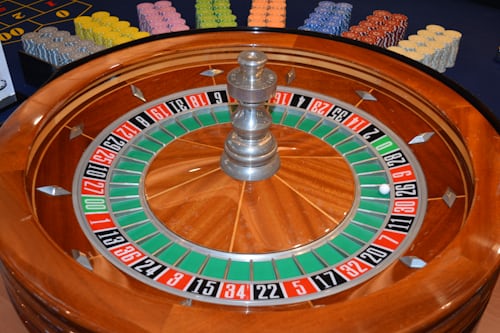
The ambient noise in a casino also plays a critical role in shaping player emotions. Sounds of excitement, such as cheers from other players or the ringing of slot machines, can create a contagion of enthusiasm. This auditory stimulation can elevate the emotional state of players, reinforcing their desire to participate. Additionally, the presence of other players can create a competitive spirit that may influence individual behavior, making players more likely to take risks they might otherwise avoid in a less stimulating environment. The social aspect of gambling can drive players to act more boldly, pushing them to engage in riskier bets when in a lively atmosphere.
Furthermore, the use of scents and marketing psychology plays a role in enhancing the gaming experience. Many casinos utilize specific scents designed to evoke pleasure and elevate mood. These sensory triggers can subconsciously encourage longer stays and increased play. By carefully manipulating the environment, casinos create a unique psychological space that not only attracts players but also keeps them engaged with the gaming experience. This multisensory approach can lead to a stronger emotional attachment to the venue, making it more likely that players will return and continue their gambling activities.
The Role of Online Gambling and Its Psychology
The rise of online gambling has introduced new psychological dynamics that differ from traditional casino experiences. The convenience of playing from home or on mobile devices reduces barriers to access and allows players to engage with games at any time. This accessibility can lead to increased frequency of play, as players can easily log in and start gambling whenever they desire, often without the social constraints present in physical casinos. The ease of access can lead to a more casual approach to gambling, where players may not fully consider the financial implications of their actions.
Additionally, online platforms often utilize personalized marketing strategies based on player behavior, which can heighten engagement. For instance, tailored promotions and notifications can create a sense of urgency, prompting users to log in and play. This strategy taps into principles of behavioral psychology, where personalized experiences can create stronger emotional connections with the gaming platform, leading to sustained play. By creating a sense of urgency, online casinos can effectively keep players returning, capitalizing on their impulsive tendencies.
Moreover, the anonymity provided by online gambling can influence player behavior. Players may feel less inhibited and more willing to take risks when they are behind a screen rather than in a public space. This anonymity can lead to increased gambling intensity and potentially problematic gambling behaviors, as individuals may lose track of time and spending in an online environment. Understanding these psychological nuances is essential for both players and operators in managing responsible gambling practices moving forward. The online gambling space requires heightened awareness and strategies to mitigate the risks associated with anonymity and impulsive behavior.