
Understanding how these substances function is beneficial, particularly when using cannabis to manage conditions like chronic pain, anxiety, or post-traumatic stress disorder (PTSD). While THC provides a psychoactive high — CBD does not induce intoxication and is frequently utilized for its calming effects, inflammation reduction, or overall wellness support. After engaging in activity (individuals may use a small amount of THC), while incorporating CBD into their daily routine for continuous support, leading to significant reports of improvement in soreness, stress, and restorative sleep. It can assist in reducing mental clutter or stress without causing fatigue or a hazy feeling.
Although often mistaken for one another, these two potent cannabinoids derived from cannabis present unique experiences and therapeutic benefits. Both CBD and THC provide specific therapeutic advantages and can be effectively combined for more pronounced effects. A physician knowledgeable about cannabis can evaluate your complete medical history, present medications, particular symptoms, and localized options to help create a safe and effective treatment regimen. This method provides rapid relief (which is essential for sudden symptoms such as breakthrough pain or nausea), but it carries potential respiratory health risks due to combustion byproducts. The combination yields more potent therapeutic effects even at lower doses (and CBD seems to mitigate several of the adverse effects associated with THC), such as anxiety and paranoia.
Even low doses of THC may help enhance the effectiveness of CBD, supporting the idea of a more synergistic effect. Many people choose CBD for its supportive nature and its ability to complement daily wellness without altering perception. In small amounts, such as the 1 mg found in Radiant Wellness products, it contributes to a subtle enhancement that some find supportive for rest or mood.
How does cannabis provide medical advantages?
Your body naturally produces its own cannabinoids , called endocannabinoids, that regulate everything from mood and appetite to pain sensation, sleep cycles, inflammation, and immune response. Scientists have now identified more than 150 distinct cannabinoids, though only a handful exist in concentrations large enough to matter pharmacologically. Cannabinoids are a family of chemical compounds produced naturally by the cannabis plant. CBD and THC are the two most famous molecules in the cannabis plant — and the two most misunderstood. They can help you determine whether the risks of smoking CBD every day outweigh the benefits.
People taking CBD in studies felt less anxious. For some individuals, lower doses may help alleviate anxiety, providing relief from stress.
Regulations regarding access and legal status.
While some turn to medical marijuana, there are also other options. Early studies hint that genetic changes and new choosing smoking accessories responsibly drug strategies might improve treatments. CBD and THC work with the endocannabinoid system to ease anxiety symptoms. Together (they manage how neurotransmitters are released), affecting our emotions and how we handle stress. This choice plays a big part in managing anxiety symptoms. There’s ongoing research into CBD and THC — showing they have potential benefits but also risks.
CB1 receptors are found mostly in the brain and play an important role in feeling pain, sleep, appetite, memory, mood, and more. Recent studies have suggested CBD oil may help relieve withdrawal symptoms — leading to more successful treatment and cessation. It does not produce a high and is commonly chosen for stress support (balance), and general wellness.
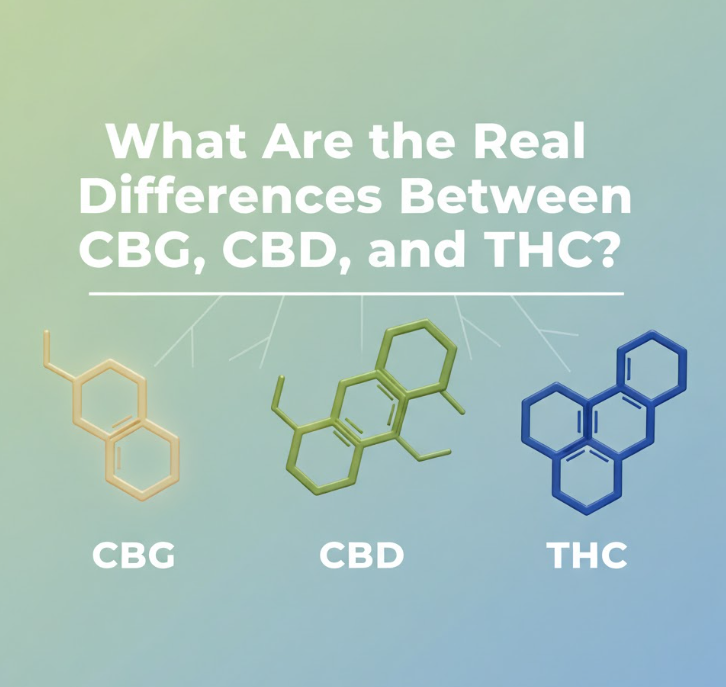
Cannabidiol (CBD) and cannabigerol (CBG) are cannabinoids present in the cannabis plant. We always strive to highlight the benefits, as well as the risks of a specific product or service. The numbers in the parentheses , 1, 2, …, are clickable links to these peer-reviewed scientific studies. Inside this article, you can find references to peer-reviewed scientific studies.

This is one of the main reasons people have negative experiences with cannabis — and it’s where CBD earns its role as a balancing agent. So the combination is more potent and better tolerated — but not necessarily more effective by the most rigorous measure. Some of the clearest data on CBD with and without other cannabinoids comes from epilepsy research.
In this vein (full-spectrum CBD is a good choice since it contains multiple cannabis plant extracts), including essential oils, terpenes, flavonoids, and other cannabinoids, as well as up to 0.3% THC. In many cases — a balanced approach incorporating both compounds may provide the most comprehensive benefits as they can work synergistically to address multiple symptoms. When deciding between CBD, THC, or a combination of both, it’s essential to consider your specific needs and goals.